

Standing sentinel over the Himalayas, Mount Everest (Sagarmatha in Nepali, Chomolungma in Tibetan) draws adventurers like no other peak on Earth. Reaching an official altitude of 8,848.86 meters (29,031.7 ft), it represents the ultimate pinnacle of nature’s grandeur. While summiting is reserved for elite mountaineers, the trek to Everest Base Camp (EBC) offers an achievable yet incredibly rewarding journey into the heart of this legendary landscape. Step into the Sagarmatha National Park, a UNESCO World Heritage site, and walk the paths forged by mountaineering legends.
Most trekkers begin their adventure with a breathtaking flight into the small airstrip at Lukla (2,860m). From here, the trail winds steeply upwards through the stunning Khumbu Valley. You’ll follow the Dudh Kosi river, cross exhilarating suspension bridges, and pass through vibrant Sherpa villages. The bustling hub of Namche Bazaar (3,440m), nestled in a natural amphitheater, provides a crucial first stop for acclimatization.
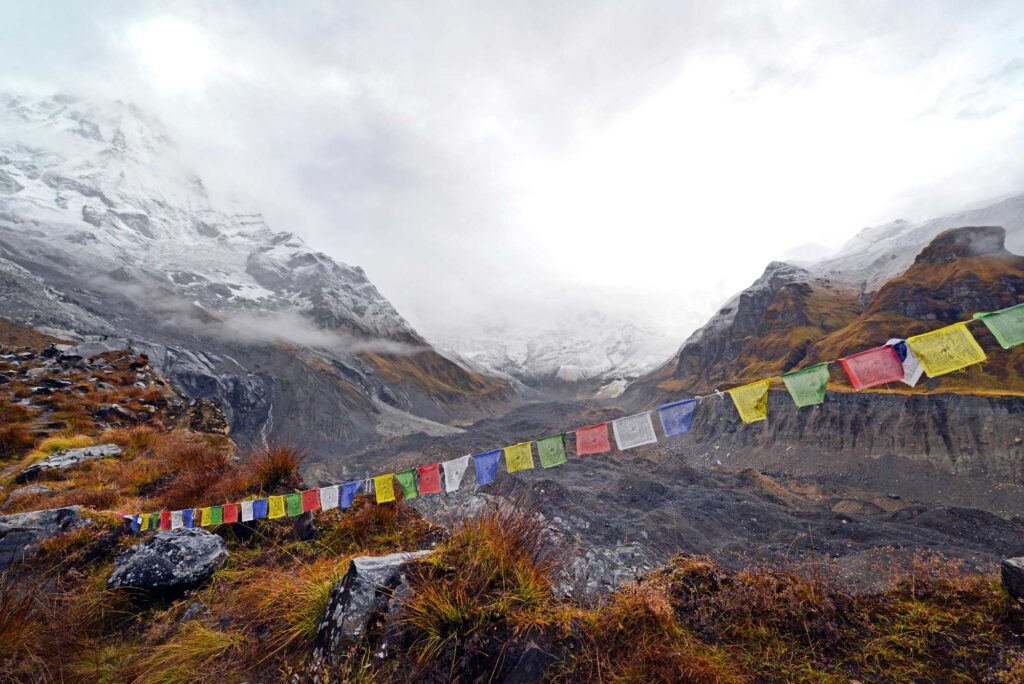
As you trek higher, immerse yourself in the unique culture of the Sherpa people, renowned for their strength and mountaineering prowess. Discover ancient monasteries like the famous Tengboche Gompa, set against a backdrop of towering peaks. Witness daily life unfold in villages like Khumjung, Dingboche, and Lobuche. The trail is adorned with Buddhist monuments – chortens, mani walls inscribed with prayers, and colourful prayer flags fluttering in the wind, mirroring the spiritual significance of these mountains.
While Everest is the ultimate goal, the trek showcases a breathtaking panorama of other Himalayan giants. Enjoy jaw-dropping views of Ama Dablam (often called the “Matterhorn of the Himalayas”), Lhotse, Nuptse, Pumori, Thamserku, and countless other peaks that dominate the skyline. Acclimatization days, typically in Namche and Dingboche/Pheriche, allow your body to adjust while offering opportunities for stunning day hikes.
The trail continues to Gorak Shep (5,164m), the last settlement before Base Camp. From here, you’ll make the final push to Everest Base Camp (5,364m) itself, standing on the Khumbu Glacier at the foot of the mighty peak – a truly humbling experience, especially during the climbing season. For the most iconic view of Everest’s summit pyramid, an early morning climb to the nearby viewpoint of Kala Patthar (5,643m) is essential, offering unforgettable sunrise vistas.
Trekking in the Everest region demands respect for the altitude. Ascending slowly and including recommended rest days is crucial to prevent Acute Mountain Sickness (AMS). While the trails are well-maintained with plentiful lodges, the routes start high and stay high, often exceeding 4,000m for extended periods. For those seeking a longer trek with better acclimatization, starting from Jiri or Shivalaya (requiring an additional 7-8 days) is a classic alternative to flying into Lukla. Adventurous trekkers might also consider variations incorporating the beautiful Gokyo Lakes.
This trek is more than just reaching a destination; it’s a pilgrimage into a world of staggering beauty, unique culture, and personal challenge.
Are you ready to answer Everest’s call?
What’s Included in the Price:
What’s Not Included in the Price:
Expertly Crafting Journeys to Remember. From Himalayan peaks to cultural heartlands, we create bespoke travel plans matching your dream destinations and preferences, ensuring a seamless and exceptional adventure.