Upper Dolpo Trek

Overview

Explore Dolpo, Nepal’s vast, remote, and sparsely populated trans-Himalayan district. Discover the stark, mesmerizing beauty of its arid landscapes and the stunning turquoise Lake Phoksundo. Journey through restricted areas preserving ancient Tibetan Buddhist and Bonpo cultures. Visit revered sites like Shey Gompa (“Crystal Monastery”) and high-altitude settlements like Dho Tarap. Embark on a challenging trek into a land of raw beauty, rare wildlife, and profound solitude.

Venture into the Hidden Kingdom: Trekking in Dolpo

Step into another world in Dolpo, Nepal’s largest district by area (7,889 sq km) yet one of its most sparsely populated and remote regions. Lying in the rain shadow north of the main Himalayan range, Dolpo offers a trekking experience unlike any other in Nepal. Its high-altitude desert landscapes, deep spiritual roots, and status as a restricted area (requiring special permits) have preserved a unique culture and pristine environment, attracting adventurous trekkers seeking solitude and authenticity.

A Land of Stark Beauty & Turquoise Jewels:

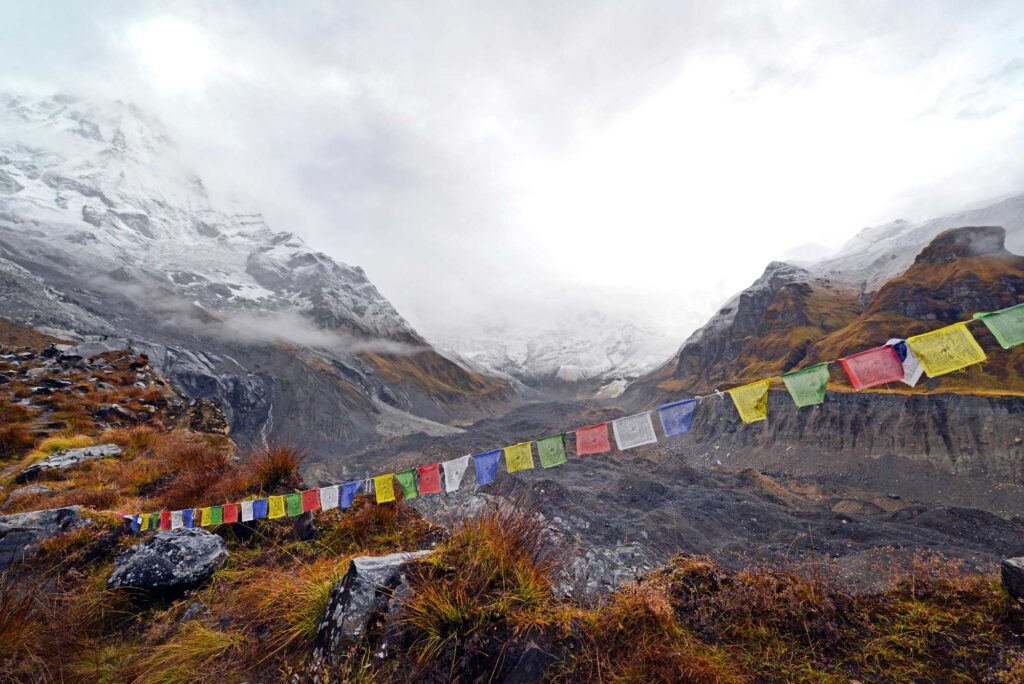
Prepare to be mesmerized by Dolpo’s stark, dramatic beauty. Because it receives very little monsoon rain, the hills are often bare, sculpted by wind and time into breathtaking, arid vistas under deep blue skies. Despite the harsh conditions, this landscape holds an undeniable allure. The crown jewel is the stunning, turquoise Lake Phoksundo – one of the world’s most spectacular high-altitude lakes, renowned for its incredible depth and sacred significance.

Ancient Cultures & Sacred Sites:

Dolpo remains one of the last bastions of traditional Tibetan culture, with strong influences from both Tibetan Buddhism and the ancient pre-Buddhist Bonpo religion. Much of the region was closed to outsiders until relatively recently, helping to protect its unique heritage. Highlights include visiting Shey Gompa (often called the “Crystal Monastery”), a highly revered monastery of immense religious importance, nestled beneath the sacred Crystal Mountain. You can also experience life in settlements like Dho Tarap, one of the highest continuously inhabited villages in the world (around 4,000m).

Rich Trans-Himalayan Biodiversity:

Within the vast Shey Phoksundo National Park, Dolpo harbors a surprising wealth of flora and fauna adapted to the harsh environment. Keep an eye out for elusive wildlife such as the endangered Snow Leopard, herds of Blue Sheep (Bharal), Ghoral, and various bird species. The region is also famous for valuable medicinal plants and herbs, including the highly prized Yarsagumba (caterpillar fungus).

The Trekking Experience & Practicalities:

Trekking in Dolpo is challenging due to its remoteness, high altitudes, and basic infrastructure. Trails can be demanding, crossing high passes often exceeding 5,000 meters. Most treks begin and end with flights to the Juphal airstrip (2,475m) in Lower Dolpo.

Best Time to Trek: Unlike most of Nepal, Dolpo’s location in the rain shadow makes Summer (June to September) a viable and often excellent time to trek, alongside the traditional seasons of Spring (March to May) and Autumn (September to November). Winters are extremely cold with heavy snowfall.

Communication: Be prepared for limited connectivity. Standard mobile networks have poor coverage. Satellite phones generally work but are expensive to use.

Dolpo offers an unforgettable journey for those seeking to explore one of Nepal’s most culturally intact and geographically stunning hidden corners. It’s an adventure into a land of profound beauty, spiritual depth, and rugged wilderness.

Upper Dolpo Trek Itinerary (Approx. 23 Days)

  • Day 01: Arrive in Nepalgunj
    • Fly from Kathmandu or Pokhara to Nepalgunj (150m), a city in the western Terai region near the Indian border. Transfer to a hotel for an overnight stay.
  • Day 02: Fly to Juphal & Trek to Dunai (2,140m)
    • Take an early morning scenic flight from Nepalgunj to Juphal airport (2,475m) in Dolpo. After organizing porters, begin the trek with a descent to the Bheri River and a short walk to Dunai, the district headquarters.
    • (Approx. 45 min flight, 3 hrs trek)
  • Day 03: Trek Dunai to Chhepka (2,670m)
    • Follow the Bheri River upstream, passing through Sulighat (check post for Shey Phoksundo National Park entry), and continue through forests to reach the village of Chhepka.
    • (Approx. 6-7 hrs trek)
  • Day 04: Trek Chhepka to Jharana Hotel / near Samduwa (3,370m)
    • Continue trekking along the Phoksundo Khola, passing through forests and small settlements. Enjoy views of a spectacular high waterfall (“Jharana”) en route to the overnight stop near Samduwa village.
    • (Approx. 6-7 hrs trek)
  • Day 05: Trek to Phoksundo Lake / Ringmo Village (3,640m)
    • Ascend towards Phoksundo Lake. Reach a viewpoint offering the first stunning glimpse of the turquoise lake and the dramatic waterfall cascading down from it. Descend to the picturesque village of Ringmo on the lake’s shore.
    • (Approx. 3-4 hrs trek)
  • Day 06: Acclimatization Day in Ringmo
    • Essential rest day for acclimatization by the beautiful Phoksundo Lake. Explore Ringmo village, visit the nearby ancient Bon monastery (Thasung Tsholing Gompa), and enjoy the serene lake views.
  • Day 07: Trek Ringmo to Phoksundo Khola Camp / Sallaghari (3,630m)
    • Trek along the western shore of Phoksundo Lake on a sometimes narrow trail. Enter the remote Upper Dolpo region and set up camp by the Phoksundo Khola (river) in a forest area often called Sallaghari or Chunemba.
    • (Approx. 5-6 hrs trek)
  • Day 08: Trek to Kang La Phedi / Snowfields Camp (approx. 4,700m)
    • Ascend gradually through a glacial valley towards the base of the Kang La pass. The campsite, often referred to as Snowfields Camp or Kang La Phedi, offers stark, high-altitude scenery.
    • (Approx. 5-6 hrs trek)
  • Day 09: Cross Kang La Pass (5,350m) & Descend to Shey Gompa (4,343m)
    • A long and challenging day. Start early to cross the high Kang La pass, offering incredible views of the surrounding peaks and valleys. Descend steeply on the other side to reach the sacred Shey Gompa (Crystal Monastery).
    • (Approx. 7-9 hrs trek)
  • Day 10: Rest & Exploration Day at Shey Gompa
    • A vital day for rest after the pass crossing and to explore this highly significant monastery complex and its surroundings, including Crystal Mountain. Participate in the ‘kora’ (circumambulation) if desired.
  • Day 11: Cross Sela (Shey) La Pass (5,095m) & Trek to Namduna Gaon (4,800m)
    • Cross another high pass, the Sela La (or Shey La), offering panoramic views back towards Shey and forward towards Tibet. Descend to Namduna Gaon, which has a newer monastery.
    • (Approx. 6-7 hrs trek)
  • Day 12: Trek Namduna Gaon to Saldang (3,770m)
    • Descend to Saldang, a large and prosperous village spread out on a plateau high above the river, representing the unique culture of Upper Dolpo.
    • (Approx. 4-5 hrs trek)
  • Day 13: Exploration Day in Saldang
    • Spend the day exploring Saldang village and its monasteries. Optional hikes to nearby ridges or villages like Yangjer Gumba (known for its ancient Bon monastery) can be considered.
  • Day 14: Trek Saldang to Sibu / Camp below Jeng La (approx. 4,560m)
    • Follow the Nagaon Khola valley south, passing smaller settlements and terraced fields. Camp near Sibu or further up towards the Jeng La pass base.
    • (Approx. 6-7 hrs trek)
  • Day 15: Trek towards Jeng La Phedi (approx. 4,900m)
    • Continue the ascent towards the base camp (phedi) of the Jeng La pass, positioning for the next day’s crossing.
    • (Approx. 4-5 hrs trek)
  • Day 16: Cross Jeng La Pass (5,220m) & Descend to Tokyu Gaon / Dho Tarap (4,080m)
    • Another challenging pass crossing. Start early to ascend Jeng La. From the summit, descend towards the Tarap Valley, reaching Tokyu Gaon, one of the main villages within the Dho Tarap valley complex.
    • (Approx. 7-9 hrs trek)
  • Day 17: Rest & Exploration Day in Dho Tarap Valley
    • Acclimatize and explore the fascinating Dho Tarap valley, home to both Bon and Buddhist monasteries and unique culture. Visit Ribo Bumpa Monastery or Shipchok Gompa.
  • Day 18: Trek Dho Tarap down Tarap Valley to Serkam / Tarap Khola Camp (approx. 3,600m)
    • Begin the descent down the scenic Tarap Khola gorge. The trail narrows in places as you follow the river downstream to a suitable campsite.
    • (Approx. 6-7 hrs trek)
  • Day 19: Trek down valley to Khanigaon / near Laina Odar (approx. 3,150m)
    • Continue descending through the gorge, potentially passing through areas like Laina Odar (cave shelter), until reaching wider sections near Khanigaon.
    • (Approx. 5-6 hrs trek)
  • Day 20: Trek Khanigaon to Tarakot (2,537m) then Dunai (2,140m)
    • Pass the fortress-like village of Tarakot overlooking the river confluence. Continue along the Bheri River on a wider trail back to Dunai.
    • (Approx. 6-7 hrs trek)
  • Day 21: Trek Dunai to Juphal (2,475m)
    • A final short trek, mostly uphill at the end, back to the airstrip at Juphal.
    • (Approx. 3-4 hrs trek)
  • Day 22: Fly Juphal to Nepalgunj & Fly to Kathmandu/Pokhara
    • Take the early morning flight from Juphal back to Nepalgunj. Connect with a flight back to Kathmandu or Pokhara later the same day.
  • Day 23: Buffer Day
    • An essential buffer day in Kathmandu or Pokhara to account for potential weather-related flight delays from Juphal or Nepalgunj.
What’s Included in the Price:

  • Guide: Services of a licensed, professional, English-speaking trekking guide (Grade A).
  • Porter Service: Porter service to carry luggage during the trek (typically one porter for two trekkers, specific weight limits apply – please inquire).
  • Meals: Standard breakfast, lunch, and dinner at tea houses along the trekking route.
  • Accommodation: Accommodation in standard tea houses/lodges during the trek.
  • Permits: All necessary trekking permits:
    • Annapurna Conservation Area Permit (ACAP)
    • Trekkers’ Information Management System (TIMS) Card
  • Transportation: Ground transportation required as per the agreed itinerary:
    • Drive from Kathmandu or Pokhara to the trek starting point (e.g., Besisahar/Syange).
    • Drive from the trek ending point (e.g., Tatopani/Beni) back to Pokhara. (Note: Specific start/end points depend on the final itinerary; domestic flights like Jomsom-Pokhara are typically excluded unless specified).
  • Equipment Use: Use of a company sleeping bag and trekking poles for the duration of the trek.
  • Water Purification: Water purification tablets/solution for safe drinking water.
  • Staff Costs: Salary, food, accommodation, equipment, and insurance for the guide and porters.
  • Taxes: All applicable government taxes and official expenses.

What’s Not Included in the Price:

  • Personal Insurance: Your personal travel insurance policy, which must cover high-altitude trekking and emergency helicopter evacuation.
  • Personal Expenses: Costs of a personal nature, including your own trekking clothing, gear, and equipment rentals if needed.
  • Tips: Tips for your guide(s) and porter(s) (tipping is customary in Nepal for good service and greatly appreciated, but remains at your discretion).
  • Drinks & Snacks: All beverages (alcoholic drinks like beer/rum, soft drinks, bottled mineral water) and any extra snacks or meals beyond the standard three provided daily.
  • Tea House Extras: Additional charges at tea houses for services like hot showers, Wi-Fi access, charging electronic devices (mobiles, cameras, etc.).
  • Bottled Water: We strongly encourage using purified local water (provided) to reduce plastic waste in the mountains; any bottled water purchased is an extra expense.
  • Other: Any other costs, services, or activities not explicitly mentioned in the ‘What’s Included’ section (e.g., domestic flights unless specified, visa fees, international airfare).

Book This Trip